Article
By Shantrika
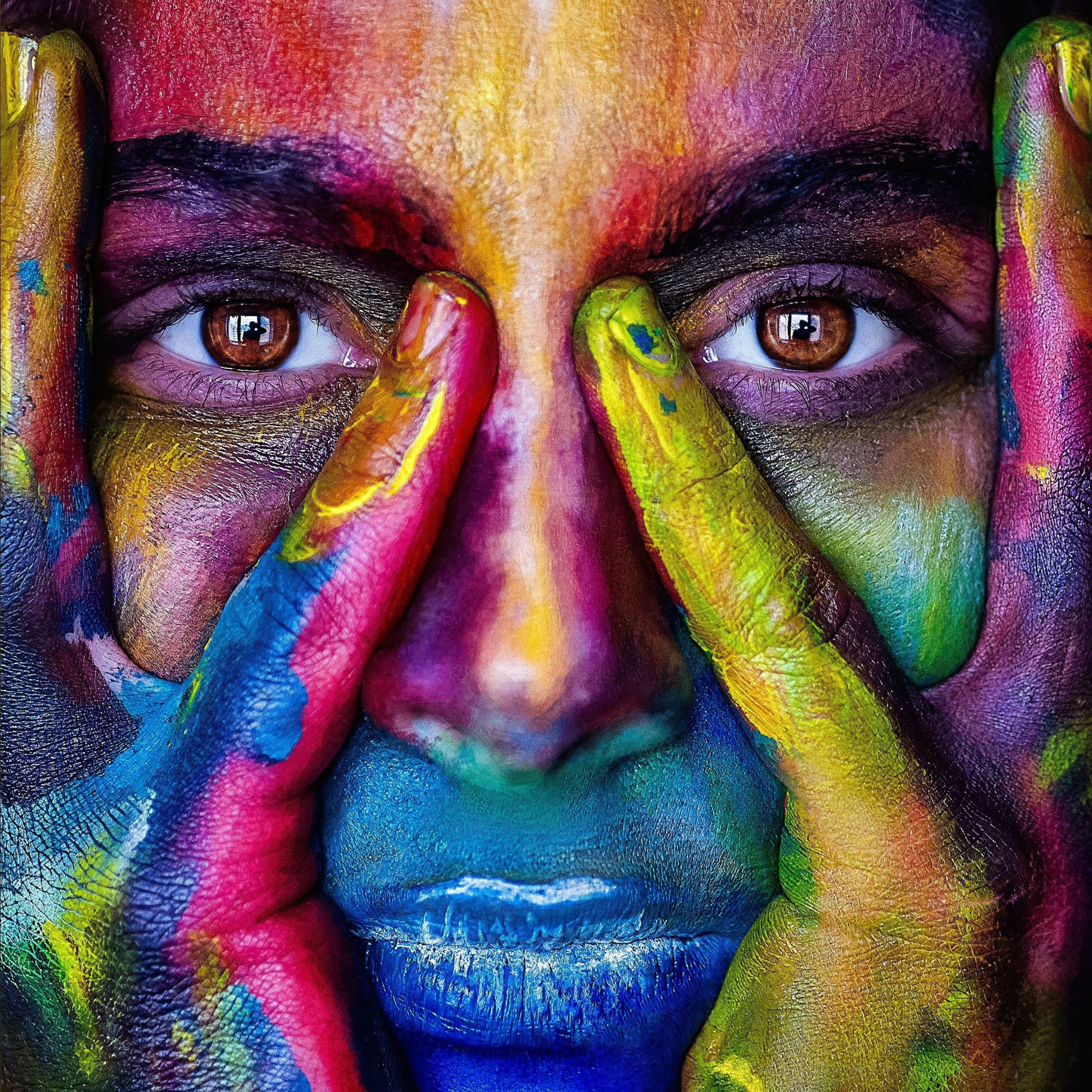
Colors! As I open my eyes and look all around me, I see all colors in their exuberant hues and shades! A thought occurs to me: what would our experience of the world be without colors? What are colors, really? How do they exist so uniquely different from one another? Why are leaves green while the soil they grow upon is brown? What is the magic of their existence?
“ Color is visual fragrance. Right mix of colors can be uplifting.” – Sadhguru
Colors, at their essence, are not what they appear to be, but are defined by what they reject or reflect. Something that appears green isn't truly green - it's absorbing all the colors in white light except green, which it reflects. So, a red flower is not actually red; it is all other colors but not red, as it rejects red. It's a beautiful metaphor for life: what we give away defines our presence in the world.
The human eye has three different cones - red, green, and blue - that enable us to perceive millions of colors. When a person views an opaque colored object, it is only the light reflected from the object that activates the visual process in the eye and brain. The energy produced by light affects both the functions of our body and our mind and emotions. As we understand colors, we can benefit both physiologically and psychologically from them.
Colors with longer wavelengths are more stimulating than those with shorter wavelengths. For an example, red is more stimulating than blue. Exposure to red light has been shown to increase heart rate, breathing patterns, blood pressure, and muscle tension. Conversely, insufficient exposure to blue can lead to anxiety, heightened emotional responses, and reduced concentration.
Not every color is suitable for everyone. Warm-toned colors like red, orange, and yellow can benefit calm, introverted individuals with low energy levels. On the other hand, cool colors such as blue, green, and purple can help keep highly energetic, hyperactive individuals composed and balanced.

Warm colors can stimulate appetite in restaurants, while purple can enhance employee motivation. In a recruiting sector, green can foster a sense of security and encourage open conversations. The use of red and orange in meeting rooms may lead to heightened tension, while light blue hues can promote more harmonious and calm discussions. Given the profound impact of color on our emotions and well-being, it's crucial to use them thoughtfully.
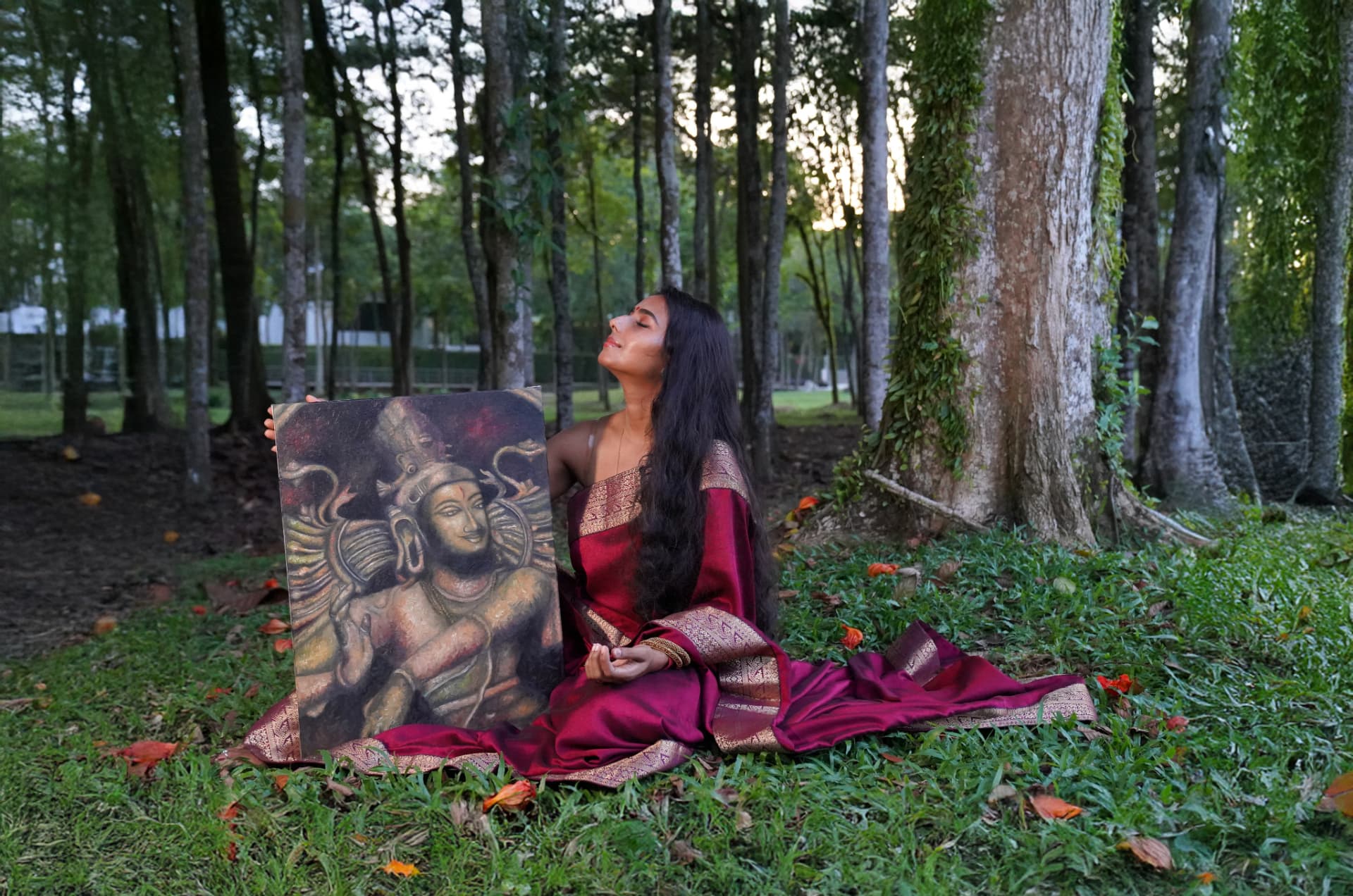
So, when selecting a piece of art, it is very important to observe the color shades of the painting and the location where it will be displayed. The right blend of colors has the power to transform and uplift one's mood and emotions. As Sadhguru said, "Color is visual fragrance. The right mix of colors can be uplifting." Indeed, color is a powerful tool for elevating human consciousness!