Article
By Shantrika
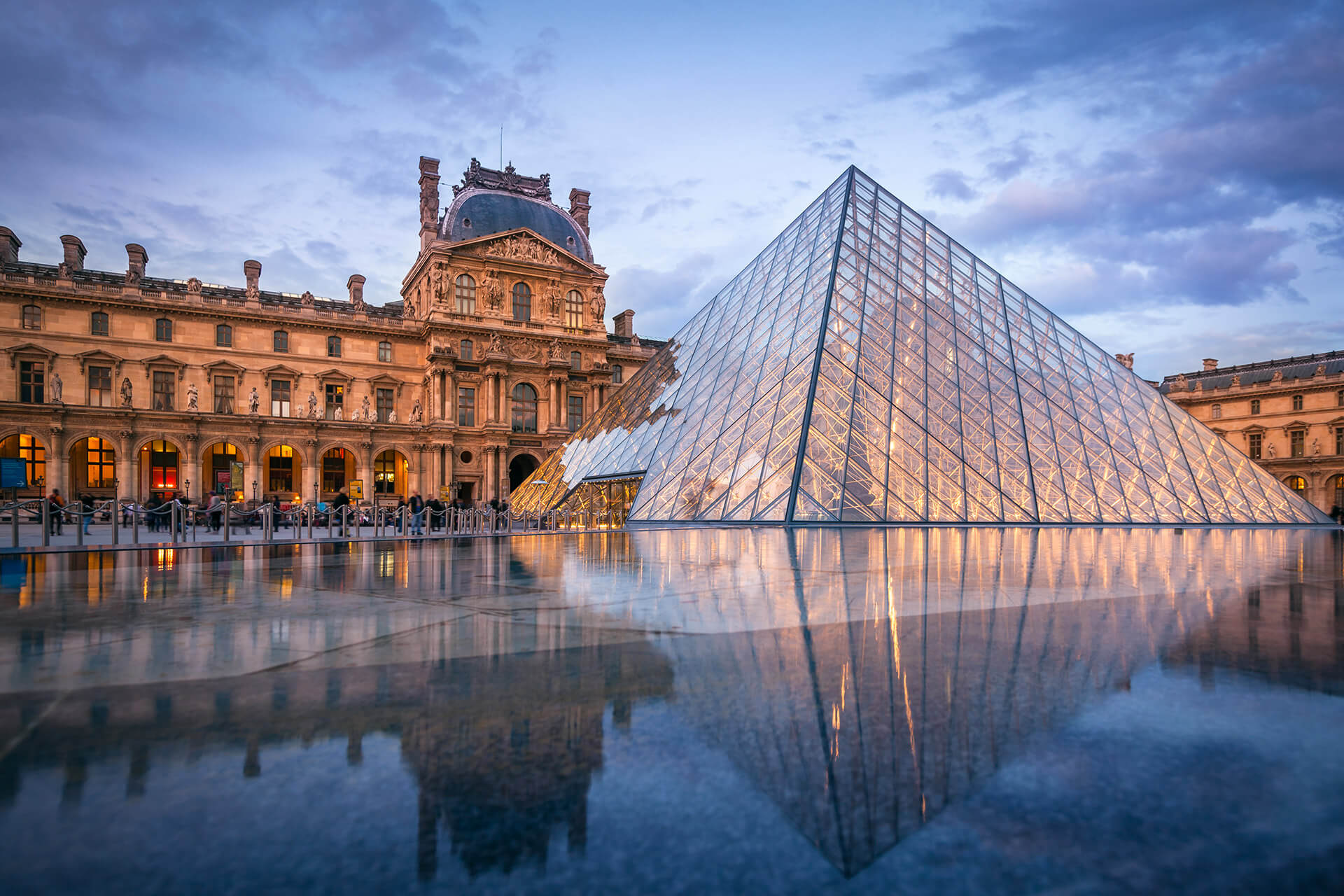
As an artist from the East, I've always been fascinated by traditional art forms from around the world. Exploring different cultural expressions through art has been a profound source of inspiration for me, as it reflects the evolving human intelligence across generations and civilizations. During my visit to Paris, the renowned City of Art, I had the pleasure of immersing myself in the treasures of the Louvre, often hailed as the world's greatest museum.
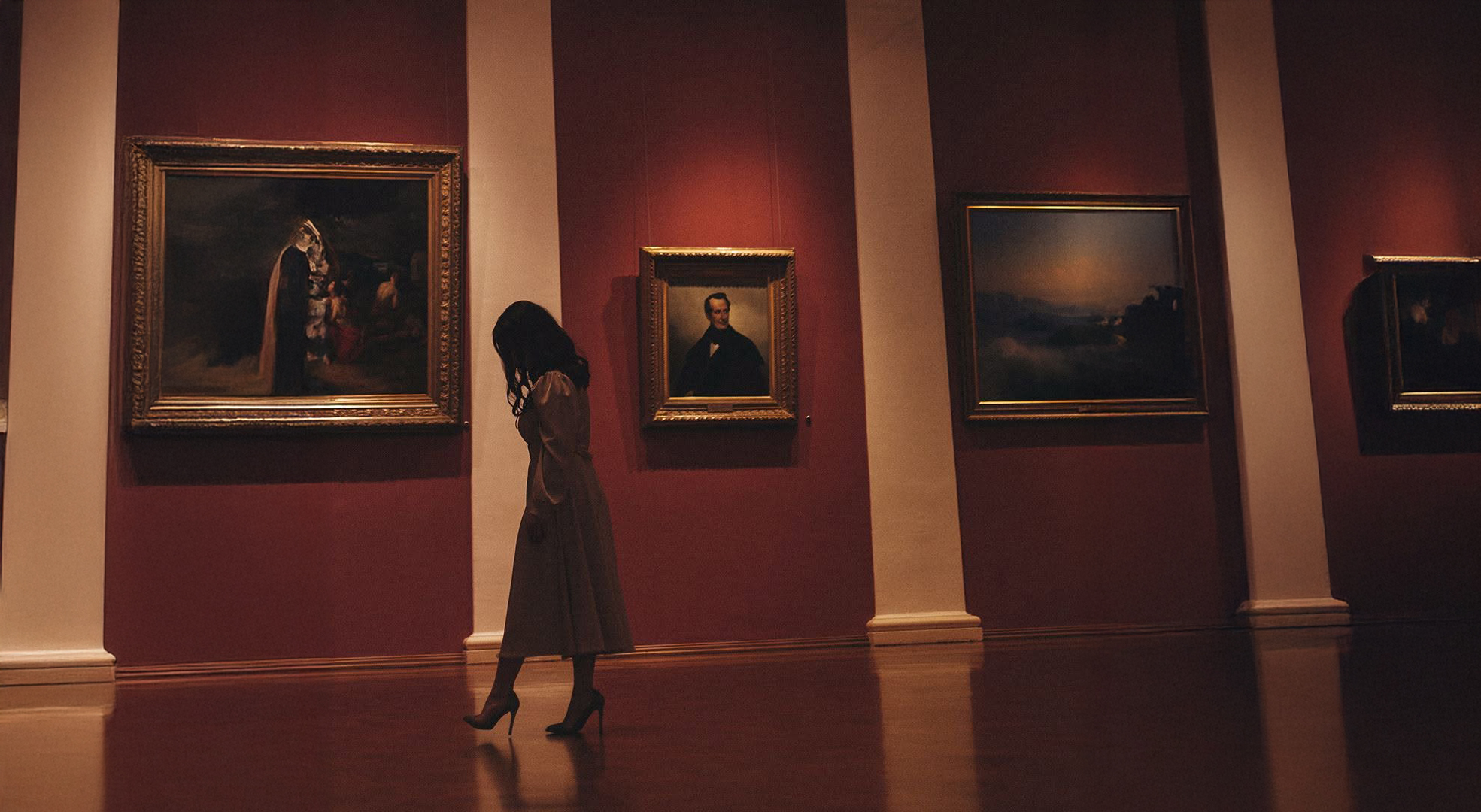
I still remember the moment I stepped into its grand halls, I was running out of breath, trying to compact the entire floor plan in my mind, so that I could never miss the countless masterpieces that have been preserved for centuries. As I wandered through the museum, I couldn't help but notice that many of the artworks depicted themes of misery, pain, and suffering. While I admired the immense talent of the artists, I found myself pondering the absence of joyful and exuberant expressions in their work.
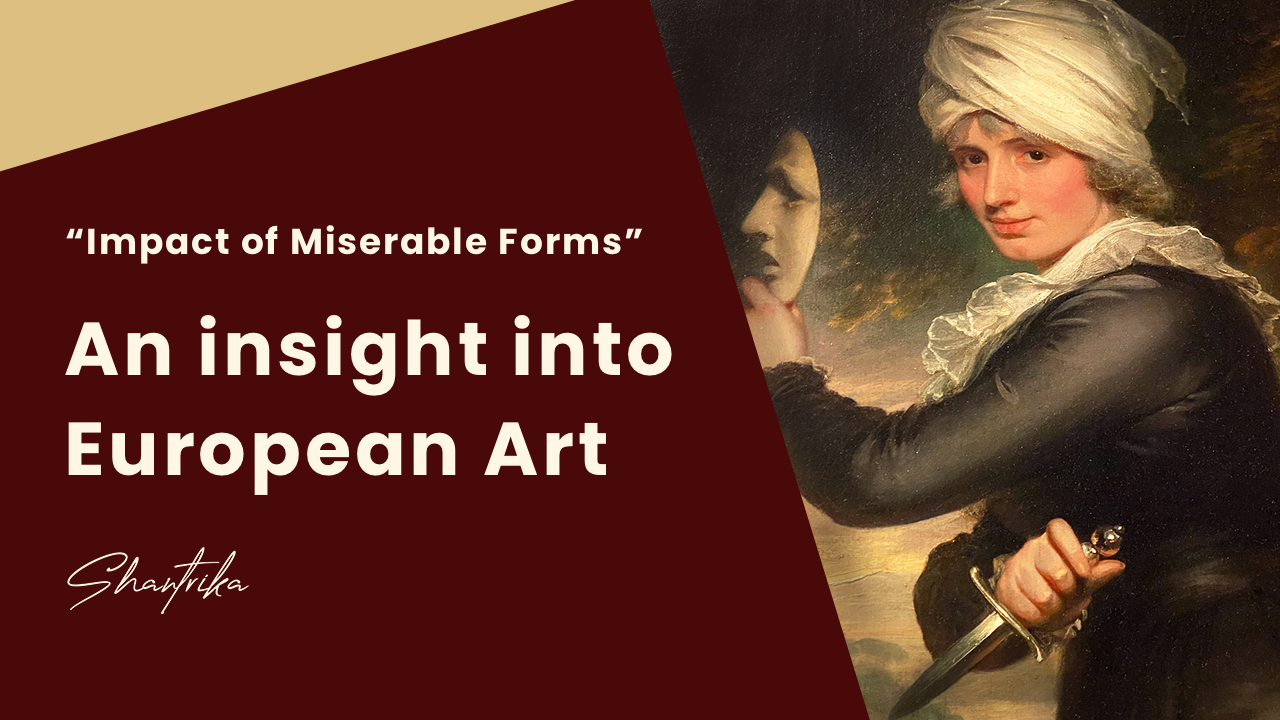
My curiosity led me to explore other great museums in cities like London, Berlin, Athens, and the Vatican, only to find a similar absence of exuberant or ecstatic portrayals in their collections. Delving deeper into my studies, I discovered that in ancient times, people celebrated and revered misery as a profound and enlightening experience, believing it to be the path to wisdom. However, amidst their melancholic expressions, they seemed to overlook the celebration of life in its exuberant form. I came to realize that the true depth of human experience is found in the expression of ecstasy. If we humans have the choice between misery and ecstasy, it's natural for us to gravitate towards what brings us joy and fulfillment.
“ Misery is self-created, Whereas bliss is not. When you're connected with life, You are naturally ecstatic.” – Sadhguru
Art, as a powerful medium, has the ability to influence the human psyche. When we gaze upon a captivating painting, our brains are stimulated in a way that mirrors the experience of falling in love, triggering increased levels of dopamine, the neurotransmitter associated with pleasure. Art has the potential to impact our thoughts and emotions, shaping the ambiance of our surroundings. If it fails to evoke any response within us, it cannot be considered true art. Recognizing this, it becomes crucial to utilize art to enhance our life experiences.
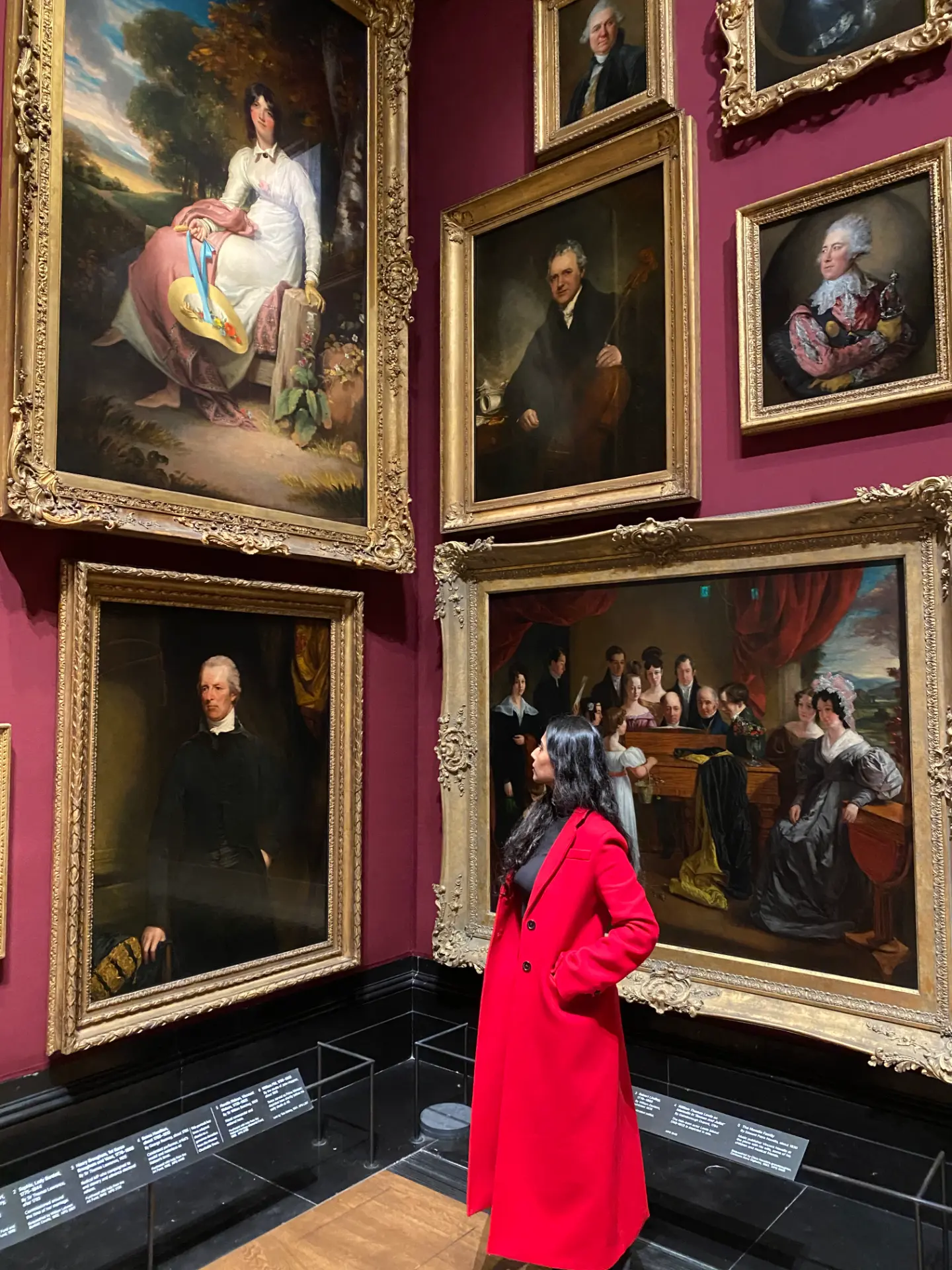
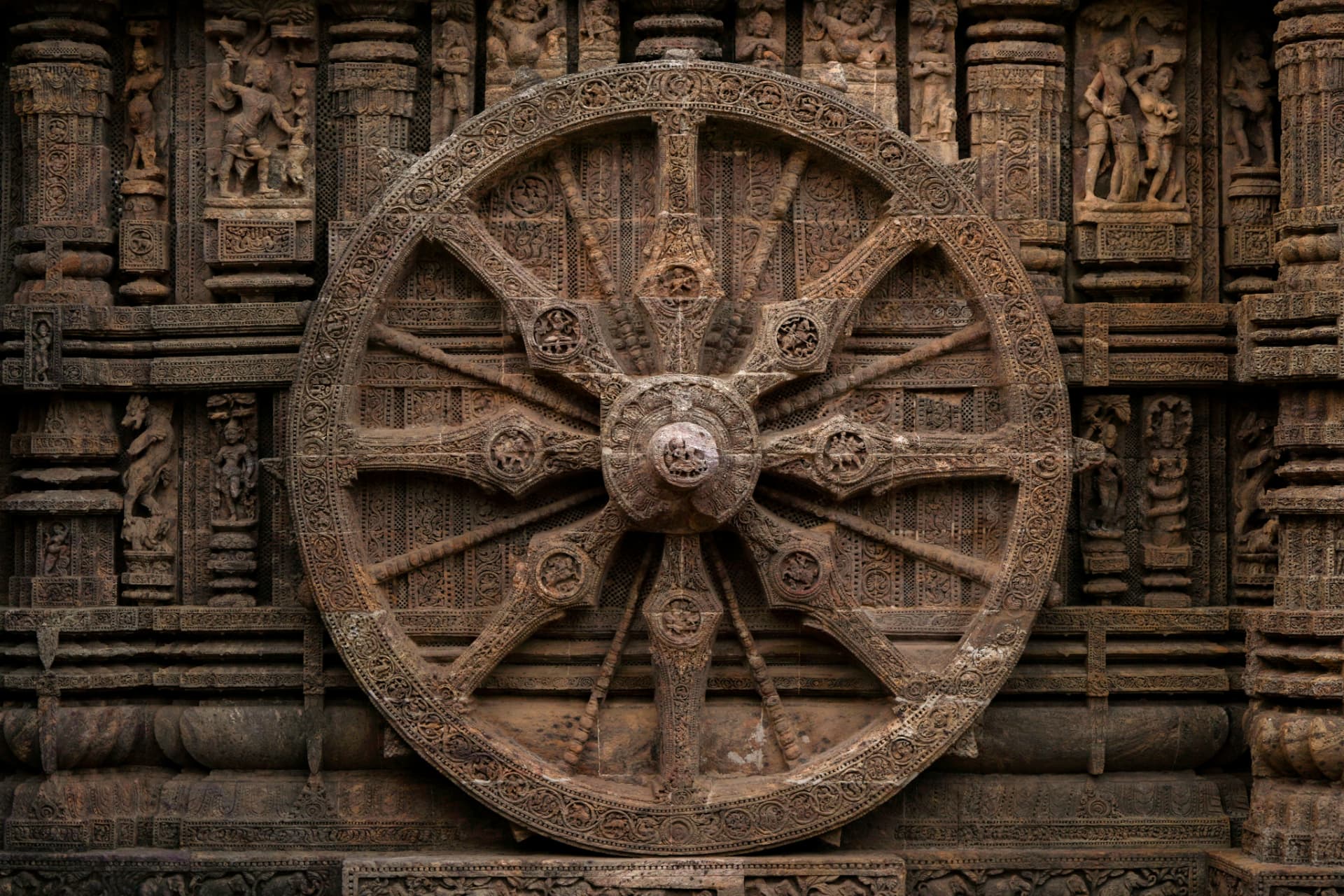
In the temple arts of India, the aim was always the transcendental union of the individual with the supreme nature. It was a culture celebrated art as a means to enlighten human intelligence. In this modern era, the influence of European aesthetics has led to an imitation of misery in art across many cultures, including in India.
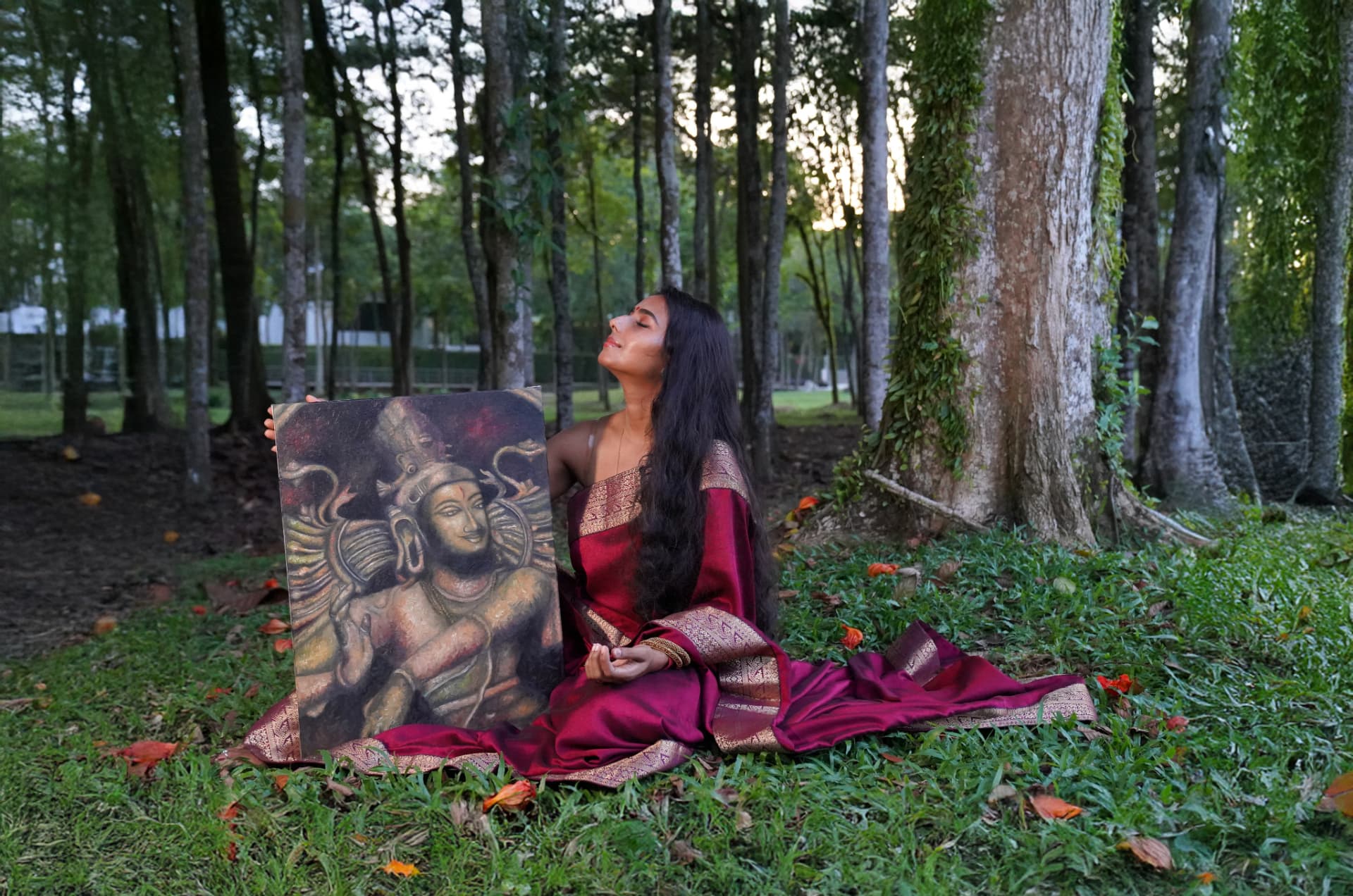
It has become my personal mission to reintroduce the celebration of art in its exuberant form, emphasizing that Misery is self-created, whereas bliss is not. When you're connected with life, you are naturally ecstatic. It's time to steer art back towards its true purpose, celebrating the ecstatic and uplifting aspects of existence. As we engage with art, let us also transform and transcend, creating a more joyful and transcendent world for generations to come.